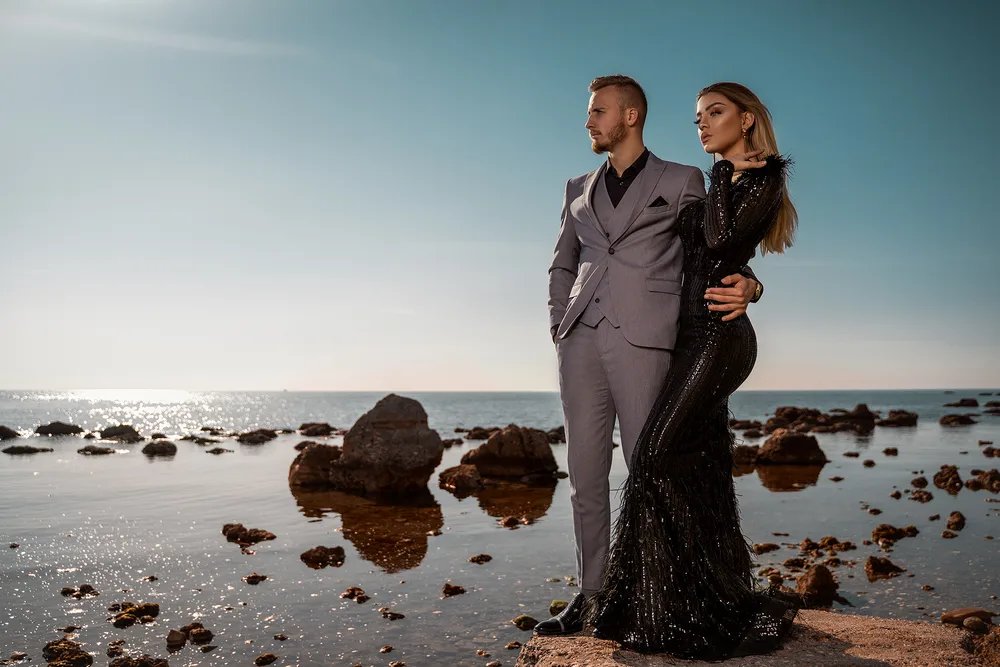
Purity. Simplicity. Honesty. — those are the words this site already uses to describe the work, and they're easy to write on a page. What they actually mean, in practice, is a set of decisions made before and during a shoot that have very little to do with a “pose” in the conventional sense.
Light that doesn't announce itself
The lighting I reach for most is the kind that doesn't call attention to its own construction — light that reads as natural even when it's carefully built, rather than light that says “look how elaborate this setup is.” That restraint is a choice, not a limitation: complexity is available, it's just rarely the point.
Casting is half the photograph
A face brings its own vocabulary to a frame before a single light is set. Casting well means choosing people whose presence actually fits the story being told, rather than fitting the story to whoever's available — a distinction that shows up immediately in how alive the final images feel.
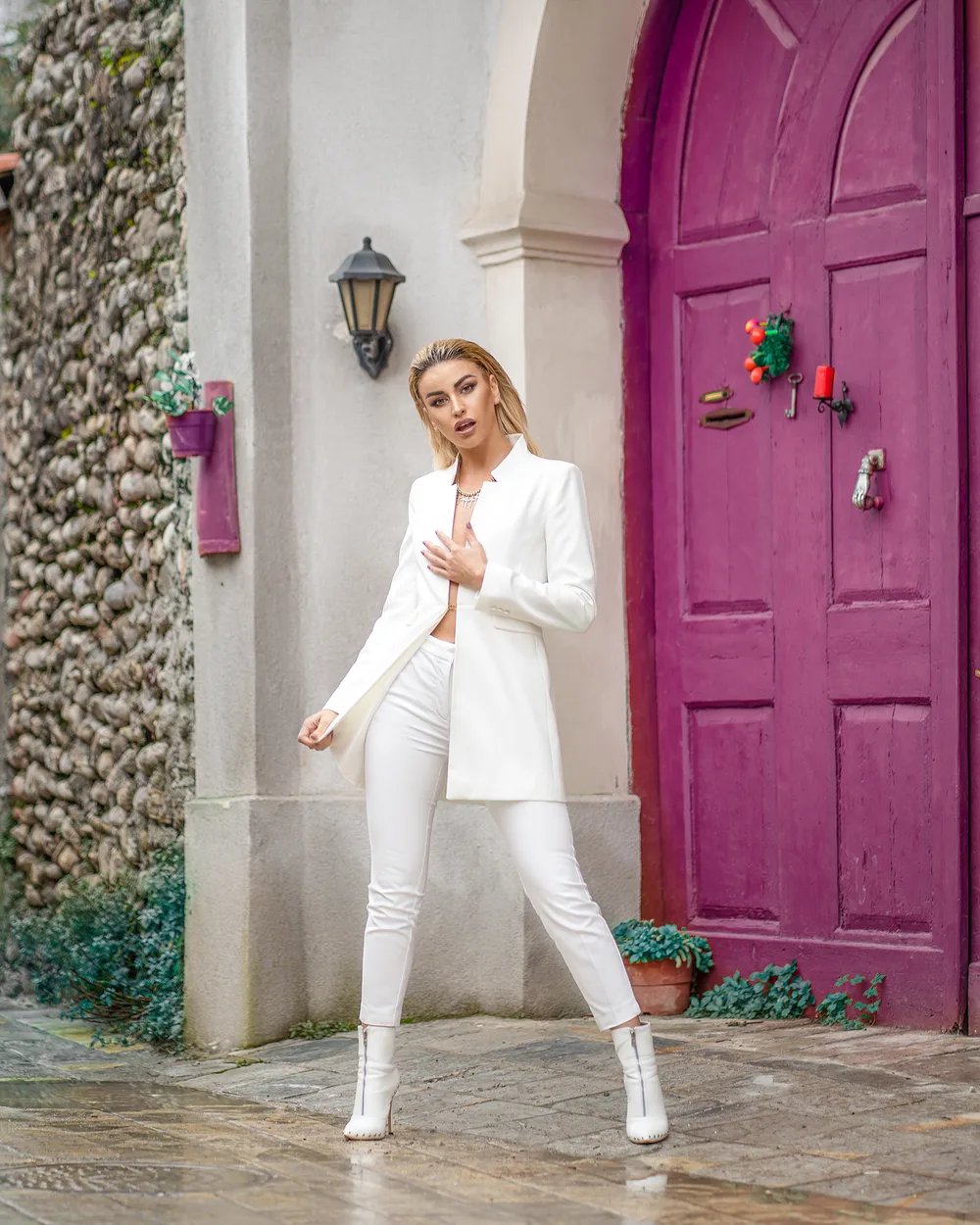
Movement over stillness, set design as restraint
The strongest frames in this kind of work rarely come from someone holding a pose on command. They come from movement — walking, turning, a laugh that wasn't cued — caught at the right instant rather than manufactured for the camera. And a set that does too much competes with the person in it: the discipline is usually in what gets left out, fewer props, cleaner backgrounds, more room for the subject to actually occupy the frame.
The photographer-subject relationship
None of the above works without trust built quickly, often with someone met for the first time an hour earlier. That relationship — brief, professional, but real — is the actual mechanism behind images that read as honest rather than staged.
This isn't a technical tutorial. It's the working philosophy behind three words that are easy to write and much harder to earn on a set.